Friday, 27 September 2013

Wolfblood Series 2: Analysis


Wolfblood is a fantasy/drama television programme that centers around a young girl moving to a new school. She and her family are the only werewolves in the town, however when a new boy starts at her school, things begin to change.

There are a lot of visual codes used in Wolfblood to present to the audience the setting and make the series seem more true-to-life. The setting of Wolfblood is quite dark and this is a representation of the programme itself and the genre it belongs to. A connotation of a werewolf is evil and typically, werewolves come out at midnight, so the lowkey lighting in the beginning reflects this connotation; the programme involves a shot of a full moon at the beginning, too. The programme is set in a school and their uniform projects this because when they're in P.E. they're wearing their school's uniform.

The facial and body language throughout shows the drama they're experiencing as there's a lot of sighs and a lot of raised eyebrows; there's also a lot of fear in the main character's eyes which further represents the genre of drama. The pace between the shots is quite quick, this would heighten the intensity because it makes the panic the character feels more prominent.
  In one scene, the new boy who started at Maddy's (main character) school are sat in the changing rooms together and she rests her hand on his heart and this could demonstrate the relationship between the two.

In addition to this, technical codes are also used. There's a wide range of shots used. There are close up shots used to show the panic and the fear on the character's faces; there's an extreme long shot in the beginning which pans around a forest. This would reference nature and shows the connection between wolves and the forest. There's mid-shots used which shows teenagers laughing - this juxtaposes the lowkey lighting and the anxiety the character's feel because it shows that although this is going on with Maddy and her family, there are "normal" teenagers who are oblivious to what's happening around them and that they're just enjoying themselves.
  There was a high angle shot used during the previous scene I mentioned between Maddy and the new boy. Prior to this scene, Maddy's father had already tried to kill him and had asked Maddy to bring the new boy to him. The high angle could represent the power Maddy's father has not only over her as she's obeying his commands but also over the new boy. It could also be a representation of the distaste he has for their friendship.

Along with visual and technical codes, the audio codes Wolfblood uses are also important. There's both diegetic sound and non-diegetic sound used. The diegetic sound is the sound that actually occurs in the shot and this is leaves crunching, birds singing, etc. The non-diegetic sound is the sound that's added in afterwards, and this is sniffing and the tense music that's added in the background.
  Wolfblood uses chilling ambient music and this could foreshadow what's the come in the episode (with Maddy's dad wanting to murder the new boy). The use of this ambient music would make the audience more tense and anxious - they would wait in anticipation for what might be to come and it would keep them on their toes.

Tuesday, 24 September 2013

David Attenborough: The Open Ocean


David Attenborough narrates many different episodes about the planet earth. This one in particular is about the open ocean. I think the target audience for this is quite broad - it targets both males and females around 18 upwards. This is because both genders may have an interest in the planet and the ocean and are interested specifically in the species found underwater, however it targets those more consciously who do.

There are two uses and gratifications this episode meets - information and entertainment. It meets the information use and gratification because those who watch it are being educated about certain species, their habitat and their certain characteristics. However, they are also being entertained because watching this programme may allow them to escape from reality and be engrossed in the nature that allows that escapism.

This episode has been specifically constructed because there would have been a lot of footage taken and they've most likely chosen the most beautiful, or the footage that allows the best view of what David Attenborough is explaining. It has been mediated so that the impression the audience gets is of the wonders of the ocean and an intrigue into what else there is. For those who have an avid interest in the subject, it may want them to visit under the ocean and see for themselves what's there rather than through a television screen. Another reason why the programme has been mediated like this is because I think there's an intention there for those who maybe aren't as interested in the subject, to develop an appreciation for it.

I think the values of the media producer are good - from the way David Attenborough narrates the episode and the way the footage has been shot, it shows he has an interest in the open ocean himself and I think he's just trying to educate others and show an insight into what's under there. I think his admiration of the ocean is clearly projected in this media piece.

Friday, 20 September 2013

TV Commercial: Herbal Essences


I think the intended audience for this television commercial is females aged 18-30. The reason for this is because the commercial is centred around a woman and as it's about shampoo, typically females are considered to care more about their appearance than males. Therefore, they would be more inclined to buy a product that was being advertised on television as they care more about it.

The use and gratification this commercial meets is personal identity. A female watching this commercial can identify with the woman advertising the product because those who are interested in it would identify with also wanting to take care of themselves and their hair. Women 18-30 would identify with the woman in the commercial, too, because she looks to be of the same age as them.

The advert has been specifically constructed, showing particular clips of the woman in the shower and also in a bath of roses which gives the audience the impression that she's naked; this shows it's shot with sexual intention. Towards the end of the advert after the woman has had her shower and used Herbal Essences, they then shoot her in bed with her partner/husband who shows a lot of adoration for her now, whereas in the beginning he wasn't shot. The advert has been mediated this way because it makes the target audience think that if they buy this certain hair product, they'll appear suddenly sexier with more confidence and their hair will be as silky and shiny as the woman's in the commercial. Another reason it has been mediated like this is because it would make females who watch it think that if they buy the product, then it'll suddenly make men more interested in them.

I think the values of the media producer are that they see women as a sexual object rather than a person, because to include a male at the end who is only shot when the woman looks her best, it's giving off the impression that a male will only adore or admire a woman when she's at her prettiest. This gives off the assumption that a woman has to look beautiful all the time for a man to love her.

I think the media producer has portrayed his values in a way that shows he doesn't necessarily have respect for women intellectually, but rather has respect for their bodies and their appearance. I think the media piece as a whole shows women in a negative way, because it's insinuating that women can only be projected in a sexual way for a product to sell.

Uses and Gratifications: Social Integration


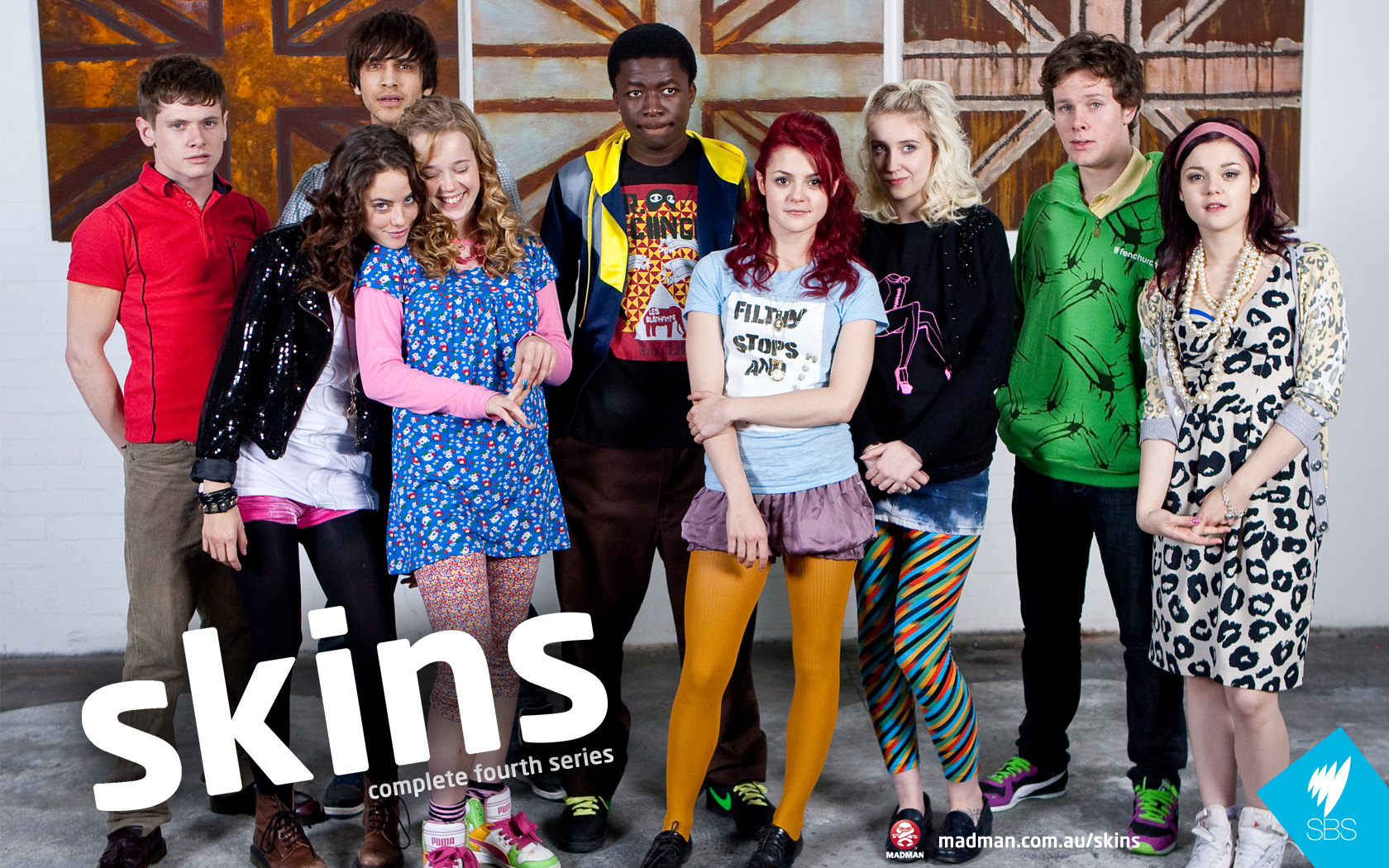
One of the main reasons I started watching Skins is because my brother and friends at school used to talk about it and I couldn't join in the discussion because I'd never seen it. This is called social integration and I began watching it just so I could talk to those around me who watched it about it, allowing me to join in and feel a sense of companionship that we had something in common. In the end, Skins became one of my favourite television programmes, and my brother and I used to watch it together every week and we'd always talk to each other about it after the programme had finished. I even bought the boxset!

Uses and Gratifications: Entertainment

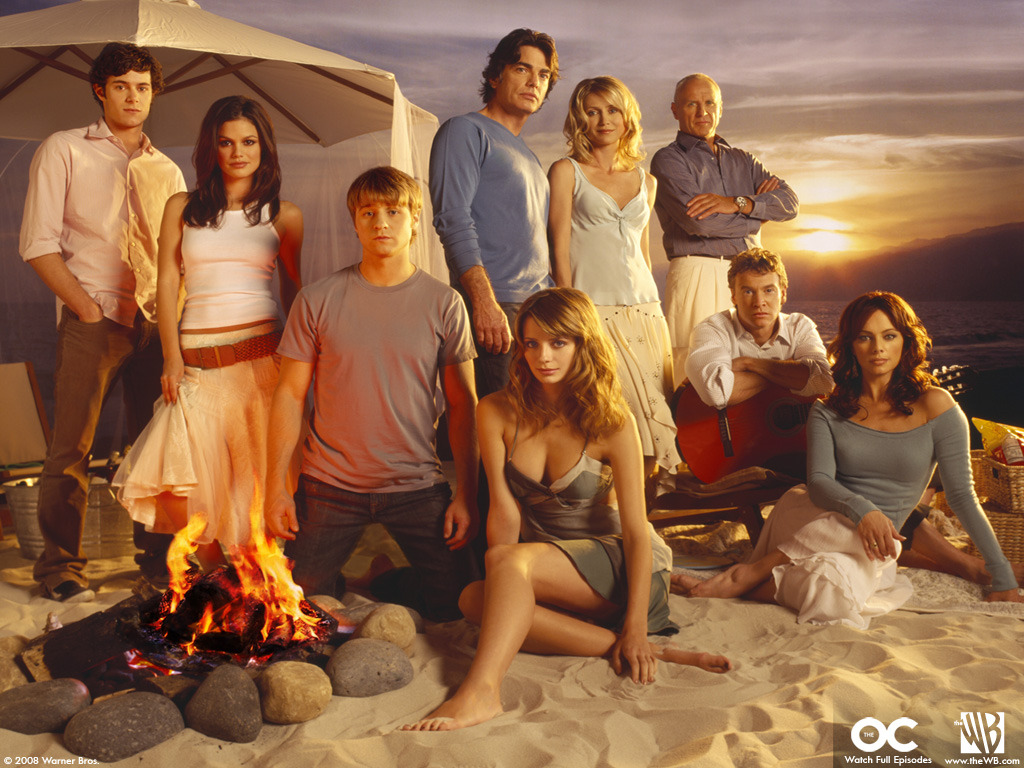
One of the main reasons I watch the television programme The O.C., is because it helps me escape from my own reality, and this is one of Katz and Blumler's theories - that we watch or enjoy a certain type of media for entertainment purposes' that allow us to escape from our own reality.
The O.C. helps me do this because the character's live such different lives to me. They live in Orange County, California, and they all have large houses, fancy cars and seem to lead the perfect life. My aspiration when I'm older is to live in California, so watching The O.C. just reinforces how I want to move away from England when I'm older.
The characters all seem to have a lot of problems in their lives and one way this helps me escape is by showing me how grateful I am for my life and that a lot of people all over the world are a lot worse off than I am. Although they're all rich and seem to lead the perfect lives, it shows that money truly doesn't buy you happiness and that just become someone seems to have a perfect life, that isn't always the case.

Thursday, 19 September 2013

Uses and Gratifications: Information


Many people use different sources to gather information about various subjects, whether it be what's currently happening in the world, what the latest review is on a particular film or album or even celebrity news; there's sources to provide this information as and when the audience need/want it.
I use IMDb to see what new films are out at the cinema, what's coming soon, and it's also a database for every film and gives you recommendations based on the film you search. Most of all, I use IMDb for the movie reviews and the ratings of a movie. If a film has a poor rating and poor reviews, I'm less inclined to buy the DVD or watch the film, however if a film has good reviews then I'll usually watch it, so the reviews people write influence me - this is linked with two-step flow. Two-step flow is the theory that people are more swayed towards something if influenced by an opinion leader. I'd be more inclined to watch a film where the opinion leaders had written a good review and rated the film highly and therefore I'm being swayed by that individuals personal opinion.

Uses and Gratifications: Personal Identity

One of the reasons an audience watches a television programme may be for how they can personally identify with the characters either on-screen or in text. For example, the reason I watch Pretty Little Liars is because I can identify with the actresses lives, such as their break-ups and how closely they hold their friendships and family to them. The way the programme is based is that they're just normal teenage girls, in high school who overcome the obstacles of what it's like being a teenager and their struggles throughout. This makes the audience feel like they're a part of the show because they can identify so closes with the characters and it enables them to feel like they know the characters off-screen. Another way the audience may personally identify is by looking up to the actresses as people and getting inspiration from the way they dress or how their make-up is done in a particular scene. These are all examples of personally identifying with an on-screen character.